 English
 Arabic
Holter Monitoring Test
A Holter monitor is a small, battery-driven device used to measure the heart’s activity, including its rate and rhythm, and is worn for 24 hours. Holter monitor testing is also known as ambulatory electrocardiography. Other devices are available to measure heart activity over longer periods of time.
Purpose
The aim of holter test is to record heartbeats during normal activities for an extended period to identify problems that may go undetected by an electrocardiogram.
Uses
The Holter monitor enables doctors to monitor your heart function long-term. By interpreting the Holter monitor data, doctors can determine if your heart is receiving sufficient oxygen or if there are any delays or early electrical impulses, which may indicate irregular heart rhythms or arrhythmias.
If you are already receiving treatment for heart problems, having a Holter monitor test in Dubai can help your doctor determine whether the medication is effective or requires modifications. The Holter monitoring can also help diagnose the cause of symptoms such as irregular heartbeat, dizziness, faintness, feeling like your heart is racing, or skipping a beat.
How does it work?
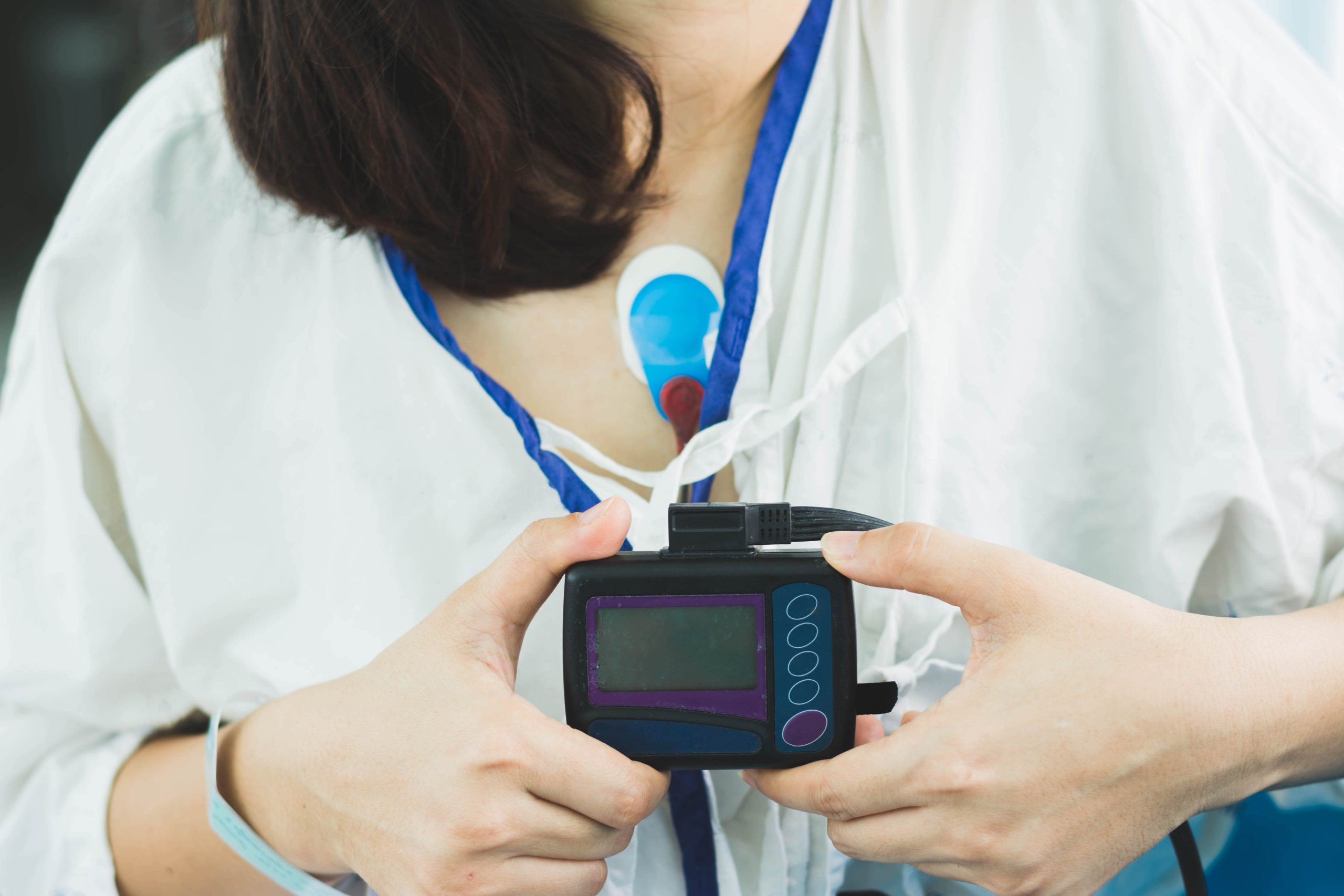
The process of monitoring and recording the electrical impulses in your heart muscle involves using a portable ECG monitor. This device is connected to ECG leads that are attached to your chest. These leads are responsible for transmitting the electrical signals from your heart to the ECG monitor.
Once the signals are transmitted, the ECG monitor records the electrical activity of the heart and generates a report that displays your heart rate, rhythm, and any abnormalities. This process is crucial in diagnosing and managing various heart conditions such as arrhythmia and heart attacks.
A portable ECG monitor allows for continuous monitoring of your heart’s activity, providing valuable information to your healthcare provider to better manage your heart health.
What happens during your Holter monitor test?
The Holter monitor test is a straightforward procedure. First, electrodes are stuck to your chest and connected to the small Holter machine device. Then, the doctor will instruct you on how to attach the device around your body or clothes.
While the device is fitted, you’ll need to wear it constantly, even during sleep, and never take it off. Additionally, you should keep a diary noting your daily activities and the time you did them and record any specific symptoms you feel, such as dizziness, light-headedness, chest pain, or breath shortness.
What happens after a Holter monitor is attached?
After one or two days, you’ll have to revisit your doctor’s office with your detailed logs noted in the diary. Your doctor will take off the Holter monitor and discuss your results. The doctor will recommend you an appropriate treatment plan for the management of your symptoms.
Accuracy:
To ensure proper functioning, the Holter monitor must be kept dry, and any activity that could lead to the monitor becoming wet should be avoided. Magnetic fields can interfere with the monitor’s reading and function, so avoid areas of very high voltage when wearing the monitor. When the readings are misread or false positives occur, the Holter may need to be reapplied.
Results:
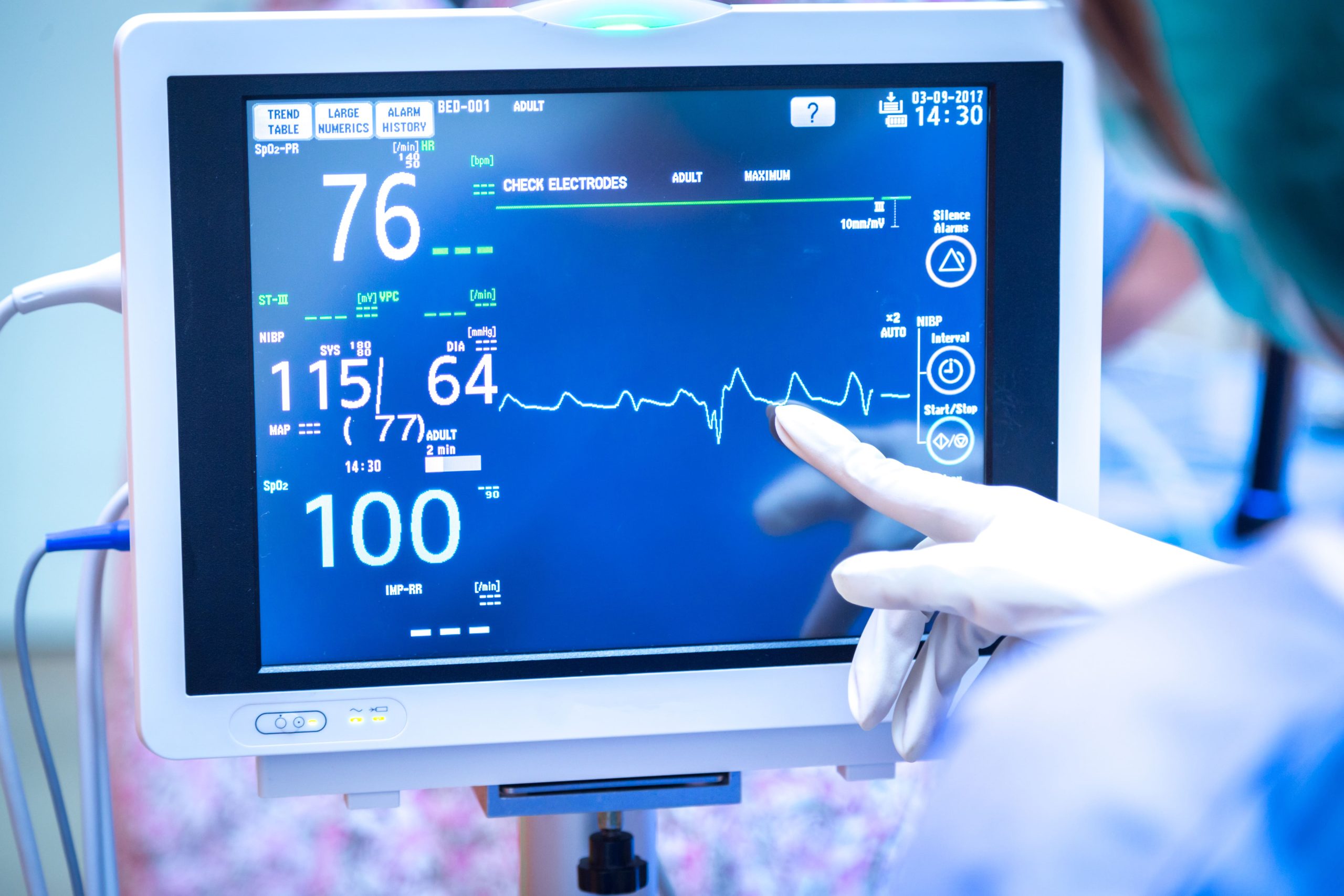
Understanding the Holter monitor results and instructions is simple. Based on the test results, the patient may need to undergo more testing before a diagnosis is made. Wearing a Holter monitoring is painless and one of the best methods to identify potential cardiac problems or heart issues.
German Heart Centre has 35 years of experience and is equipped with the latest advanced treatment for high blood pressure, cardiac tests, and disorder management. Our top professional cardiologist and the latest advanced technology give patients good heart care.